A day at the beach
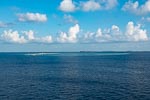
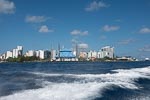
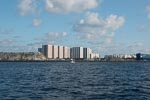
We arrived in the Maldives this morning and anchored in protected waters near the city of Malé. The first views of the Maldives was a bit disorienting. We know that we are in the middle of a large ocean and yet as we approach the Maldives we see little bits of low lying land that appear to be only a few feet higher than the water, as well as patches of light blue ocean indicating shallow water. The city of Malé has many multi story buildings that look like they are either growing out of the ocean or maybe sitting on a very long barge rather than land. There are a number of other islands near to Malé one connected by a very spectacular Chinese Friendship Bridge, another one is the site of the countries international airport.
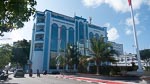
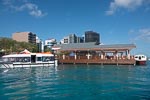
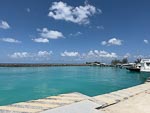
We have an excursion arranged for today. We are going to spend some time on the beach at an Resort Island called Gulhi. Getting to Gulhi involved being ferried to the dock in Malé on one of the cruise ships life boats (a process called Tendering) and then crowding into a large highspeed ferry boat for a 30km ride to the island. The city dock and the many ferry boats at the dock gave us the first hint of the level of prosperity or at least the level of tourist investment in the Maldives. The dockside buildings seem to be in good condition, the dock area seems well maintained and the ferries are clean, maintained and expensive. Ours had 4 x 250hp relative new outboard motors.
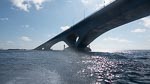
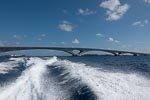
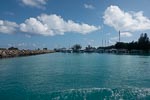
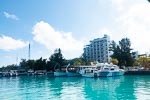
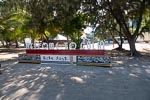
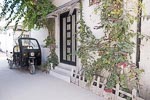
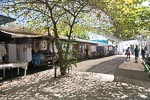
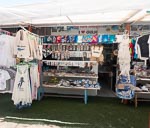
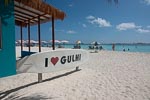
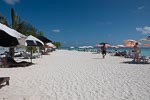
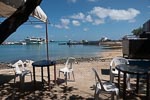
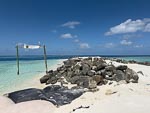
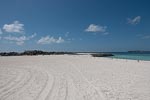
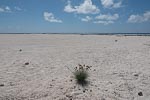
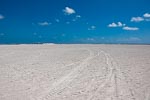
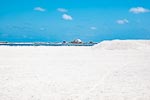
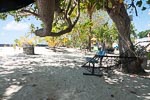
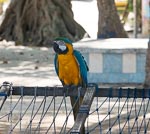
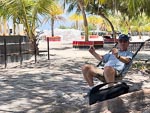
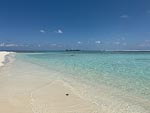
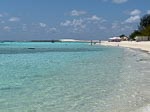
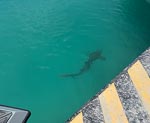
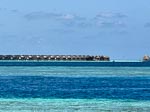
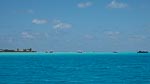
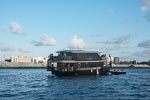
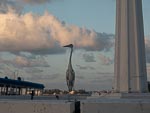
Gulhi Island was small, maybe 30 minutes to walk the entire circumference of the island. We were delivered by our lccal guides to a restaurant and private beach where we were left to swim, walk or do whatever we wanted. In keeping with the rest of the Maldives Gulhi looked like the main businesses were tourism, fishing and boats. We were in the middle of the Muslim period of Ramadam so the tourist population seems somewhat low and the local businesses not very active.
Some of the info I picked up from one of our guides.wikipedia link
The history of humans living on these islands go back at least 2500 years.
THe Maldives consists of approximately 1200 islands of which approximately 200 are inhabited and no island is higher than 1.8 meters.
The total land area is 300 sq km spread over 90,000 square km of ocean.
Population is over 500,000.
Water supply can be an issue in the Maldives. The traditional sources are rain water collection and ground water lenses (click for an explanation), with desalination now being the major source of fresh water.
The language and writing script are unique to the islands. The spoken language is a mix of Arabic and languages from the Indian subcontinent. I never got a good short answer regarding the writing, though the writing on the Gulhi Welcome sign looks maybe Arabic.
The final act of the day was a Sunset Cruise that we had booked during the planning stage of this trip, and which I had withdrawn from a few days earlier leaving Nina to enjoy the experience by herself. The first indicator that it did not go well was a a phone call from Nina about 17:30 (1/2 hour before sunset) to say that she was on one of the life boats heading back to the ship. She arrived at our cabin door spitting chips (as Australians would sometimes say). A sunset cruise that finishes before sunset! There probably is no more to say.